Choosing the Right CCTV System for Your Home or Business
Camera count, resolution, night vision, storage — how to think it through without getting lost in specs.
By Aussie Surveillance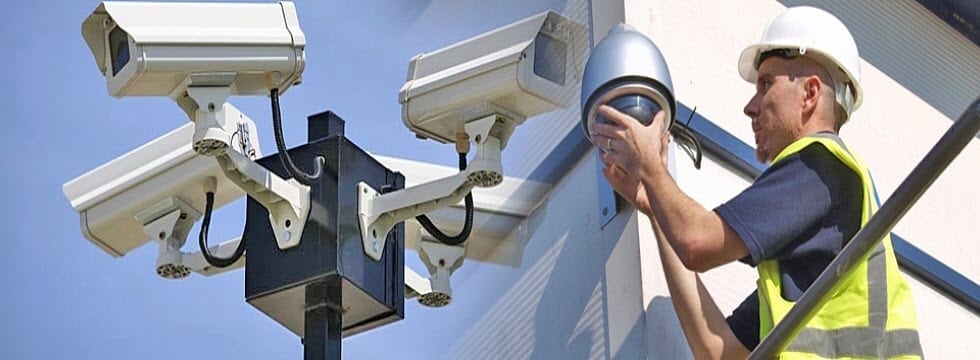
Every property has different security priorities, so "the best CCTV system" doesn't really exist as a single answer. What matters is working through a handful of practical questions before you buy — rather than choosing based on camera count or megapixels alone.
Start with what you're trying to see
Before comparing cameras, get specific about what you actually need covered — entry points, a driveway, a shopfront counter, a warehouse loading bay. This decides camera placement, and placement generally matters more than any single spec.
Camera count and placement
It's tempting to think more cameras automatically means better coverage. In practice, a smaller number of well-placed cameras — covering entry points and key sightlines — usually outperforms a larger number of poorly positioned ones.
A quick way to plan coverage: walk the property and note every point someone could enter unseen. That list is usually your camera plan.
Resolution: how much do you actually need
Higher resolution helps when you need to identify faces or number plates at a distance, but it also means more storage used per camera. The right resolution depends on the distance between the camera and whatever it needs to clearly capture — not just "as high as possible."
Night vision matters more than people think
A large share of incidents happen after dark, so how a camera performs in low light is often more important than how sharp its daytime footage looks. This is worth prioritising for any camera covering an entry point or car park.
Storage: local vs cloud
Footage can be stored on a local recorder on-site, in the cloud, or a combination of both. Local storage keeps footage on your premises; cloud storage adds off-site backup and remote access, which matters if you want to check in on a property while you're away from it.
Getting the installation right
Even well-chosen equipment underperforms if it's poorly installed — cameras aimed wrong, cabling exposed, or blind spots nobody accounted for. This is usually where professional installation earns its keep, especially for larger or commercial properties.
If you're still weighing up options, the more useful next step is usually a conversation about your specific property rather than more research — that's exactly what we're here for.
More from the blog

Ready to talk specifics?
Tell us about your property and we'll recommend a system that fits it.
Contact Aussie Surveillance
Security and surveillance technology for homes and businesses — based in Echuca, Victoria, servicing customers across Australia.
Facebook